
English Brick Bond Patterns
English Brick Bond Patterns - Web english bond in the brick masonry work consists of one course of the stretcher and another course of the header above it, i.e. The most used bonding pattern, it’s referred to as “running” because the bonding agent is applied in such a way as to create a straight line between the bricks and other materials. Web the bonds in brick masonry is developed by the mortar filling between layers of bricks and in grooves when bricks are laid adjacent to each other and in layers in walls. There are several different types of brick bonds, each with its. The joints of the stretcher courses align and the joints of the header courses align. It requires more facing bricks than other patterns. Read our guide, complete with brick bond pattern diagrams, to find the right bond for your build. In this bond, each course consists of alternating stretchers (long side of the brick) and headers (short side of the brick). Snap headers are used in courses which are not structural bonding courses. English cross or dutch bond Read our guide, complete with brick bond pattern diagrams, to find the right bond for your build. It comprises of alternative courses of headers and stretchers. Similar to the common bond, this bond alternates running bond (with all stretcher bricks) and all header bricks with each course. Web once you have chosen your brick bond, you can play around with the patterns and depth. English cross or dutch bond It provides a strong bond when the wall is one brick thick. Headers in the course above are laid in the middle of stretcher bricks. It is the preferred bonding pattern for bridges, viaducts, embankment walls and other civil engineering architectures. Web english bond brickwork combines alternate courses of stretchers and headers. One of the most common brick bonds, it alternates the running bond made with alternating courses of headers and stretchers. Web brick bonds are patterns or arrangements in which bricks are laid in a wall or structure. These bonds serve both functional and aesthetic purposes in masonry construction. Web discover the 10 most traditional and popular types of brick bonds used in masonry, including stretcher bond, english bond, flemish bond, and more. English bonds include alternating courses of running bond. Headers in the course above are laid in the middle of stretcher bricks. Snap headers are used in courses which are not structural bonding courses. One of the most common brick bonds, it alternates the running bond made with alternating courses of headers and stretchers. Web the english bond is a pattern for laying bricks in which there are rows. Web its unique brickwork pattern has not only shaped buildings but also influenced architectural styles and building techniques over the centuries. Headers in the course above are laid in the middle of stretcher bricks. Read our guide, complete with brick bond pattern diagrams, to find the right bond for your build. Web the english bond is a pattern for laying. Web once you have chosen your brick bond, you can play around with the patterns and depth. This is a type of brickwork pattern where stretcher and header bricks are. Web the english bond brick pattern is comprised of only one course of stretcher and a course header above it. The joints of the stretcher courses align and the joints. It comprises of alternative courses of headers and stretchers. It is the preferred bonding pattern for bridges, viaducts, embankment walls and other civil engineering architectures. Web english bond in the brick masonry work consists of one course of the stretcher and another course of the header above it, i.e. A brick construction pattern with alternate courses of brick laid as. Learn about the purpose and rules for good bonding. Read our guide, complete with brick bond pattern diagrams, to find the right bond for your build. Web the english bond is a pattern for laying bricks in which there are rows of bricks with the short end facing out (called headers) followed by rows of bricks with the long side. Web brick bonds are patterns or arrangements in which bricks are laid in a wall or structure. The joints of the stretcher courses align and the joints of the header courses align. The front exposed surface of the wall is composed of flemish bong and the back surface is composed of english bond in every single course. Web english bond. These walls are very strong, but the header courses do require a lot of. English cross or dutch bond Web the english brick bond, also known as the running bond, is a traditional bricklaying pattern characterized by its simple yet classic arrangement of bricks. A brick construction pattern with alternate courses of brick laid as stretchers and headers forms an. Mostly used material for bonds in brick masonry is cement mortar. Below are some examples of how to do this, including protruding hit and miss brickwork, corbelling and protruding bricks. The english bond alternates between one row of larger bricks to another row of smaller bricks, creating visual interest. The english bond is built with alternating courses of stretchers and. Snap headers are used in courses which are not structural bonding courses. There are several different types of brick bonds, each with its. In this bond, each course consists of alternating stretchers (long side of the brick) and headers (short side of the brick). Web english bond in the brick masonry work consists of one course of the stretcher and. English cross or dutch bond Web english bond is preferred pattern for viaducts, bridges, embankment walls as well as other civil engineering architectures. Web the bonds in brick masonry is developed by the mortar filling between layers of bricks and in grooves when bricks are laid adjacent to each other and in layers in walls. Web the english bond is a pattern for laying bricks in which there are rows of bricks with the short end facing out (called headers) followed by rows of bricks with the long side facing out (called stretchers). Web since brick wasn’t always readily available in the early colonial era, the running bond patterns allowed builders to make the most of their materials before using a head course. Pattern formed by laying alternate courses of stretchers and headers. This traditional pattern is considered to be one of the strongest bonds and is commonly used for bridges and engineering projects. Below are some examples of how to do this, including protruding hit and miss brickwork, corbelling and protruding bricks. Web its unique brickwork pattern has not only shaped buildings but also influenced architectural styles and building techniques over the centuries. Web english bond and flemish bond are the two most common brick masonry patterns used in wall construction. The joints of the stretcher courses align and the joints of the header courses align. It is the preferred bonding pattern for bridges, viaducts, embankment walls and other civil engineering architectures. Web the consistent pattern of brickwork that maximizes the strength of the building is called “brick bonding” in the construction sector. Originally used for single brick walls, it became the obvious choice for cavity walls with Web the english bond brick pattern is comprised of only one course of stretcher and a course header above it. Discover the historical significance, unique specifications, and applications of the english bond brick, a cornerstone of traditional english architecture.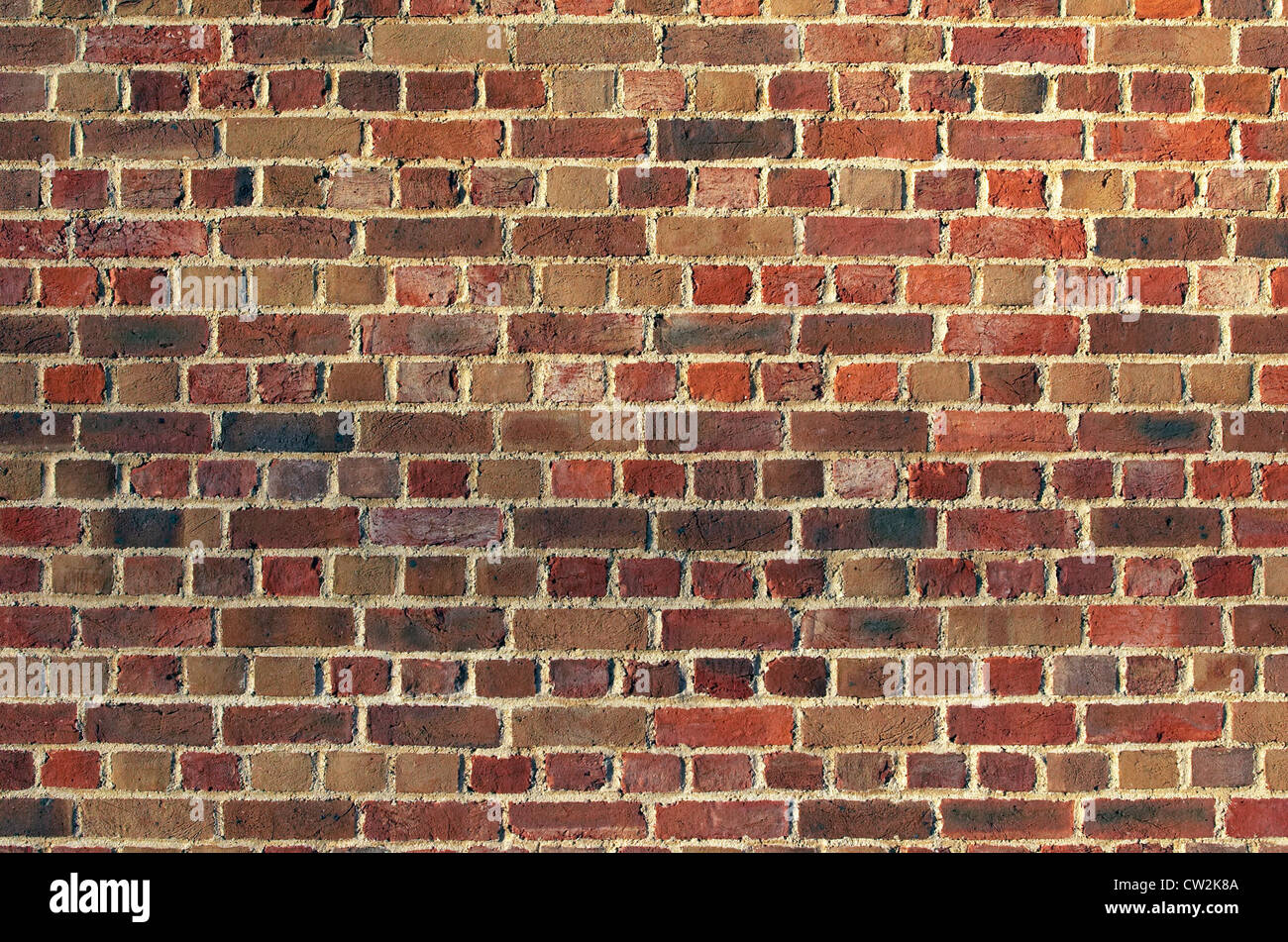
Decorative brickwork English bond. This pattern comprising alternating

Brickwall Bond_A bond is the pattern in which bricks are laid. Brick
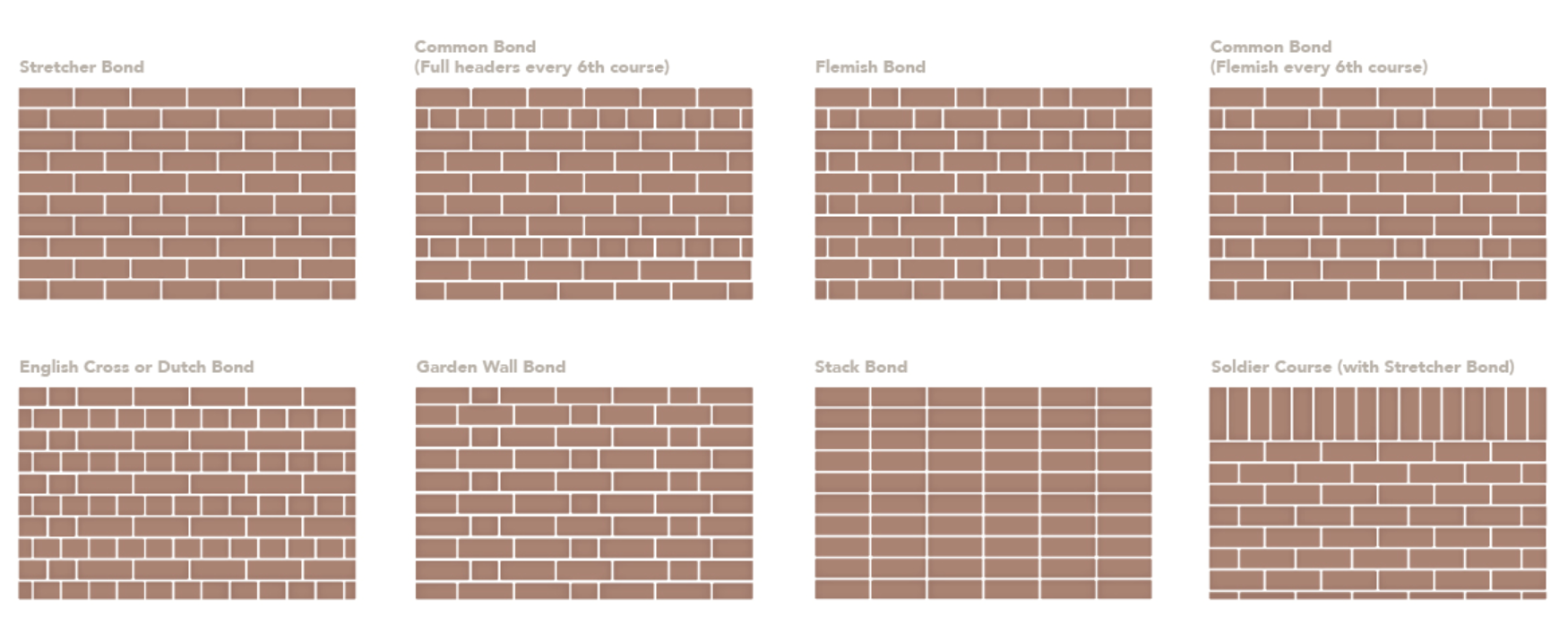
Brick Bond Patterns PGH Bricks

Types of Bonds in Brick Masonry Wall Construction

Common brick bonds infographic Brick bonds, English bond, Pattern
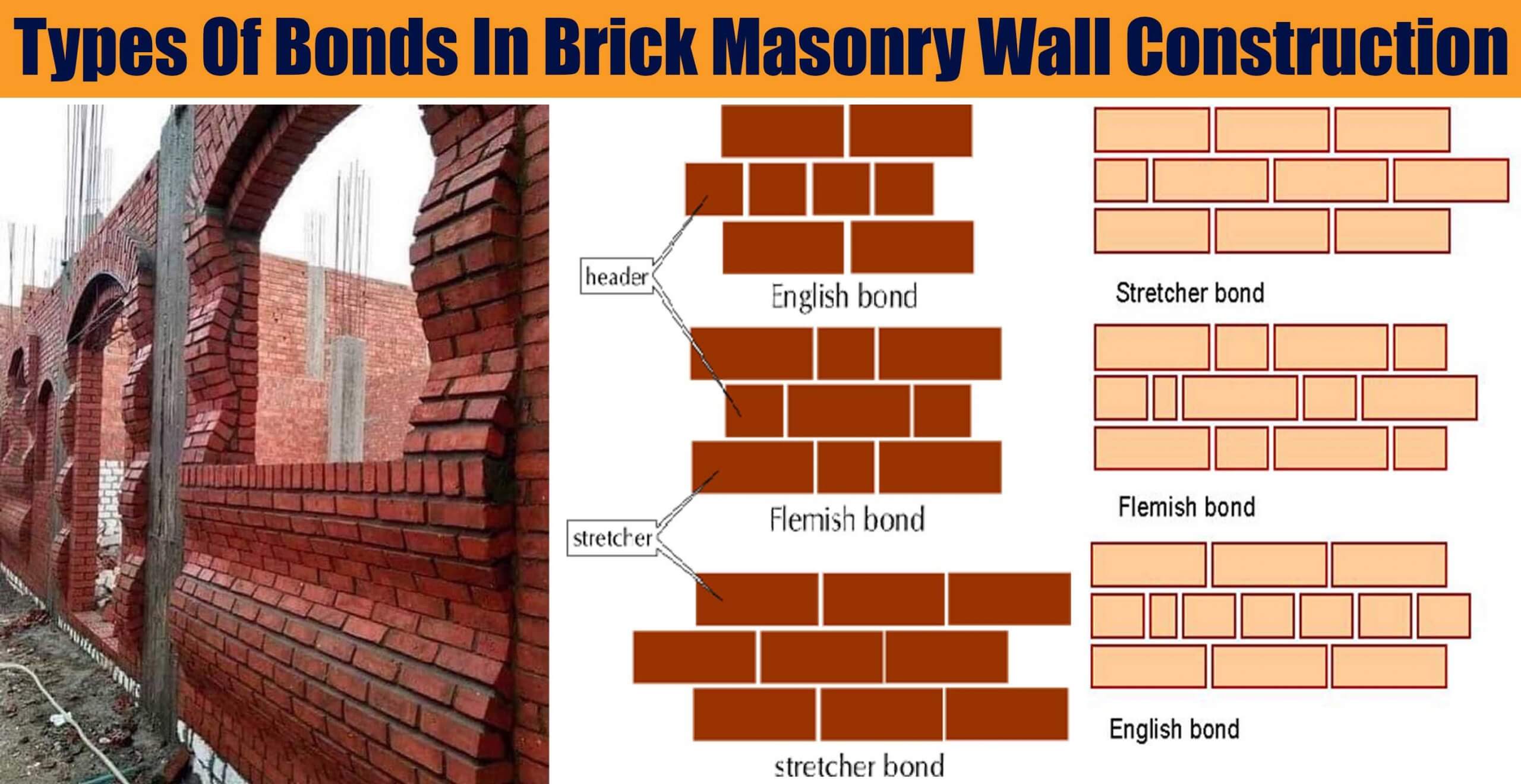
10 Types of Brick Bonds Dream Civil
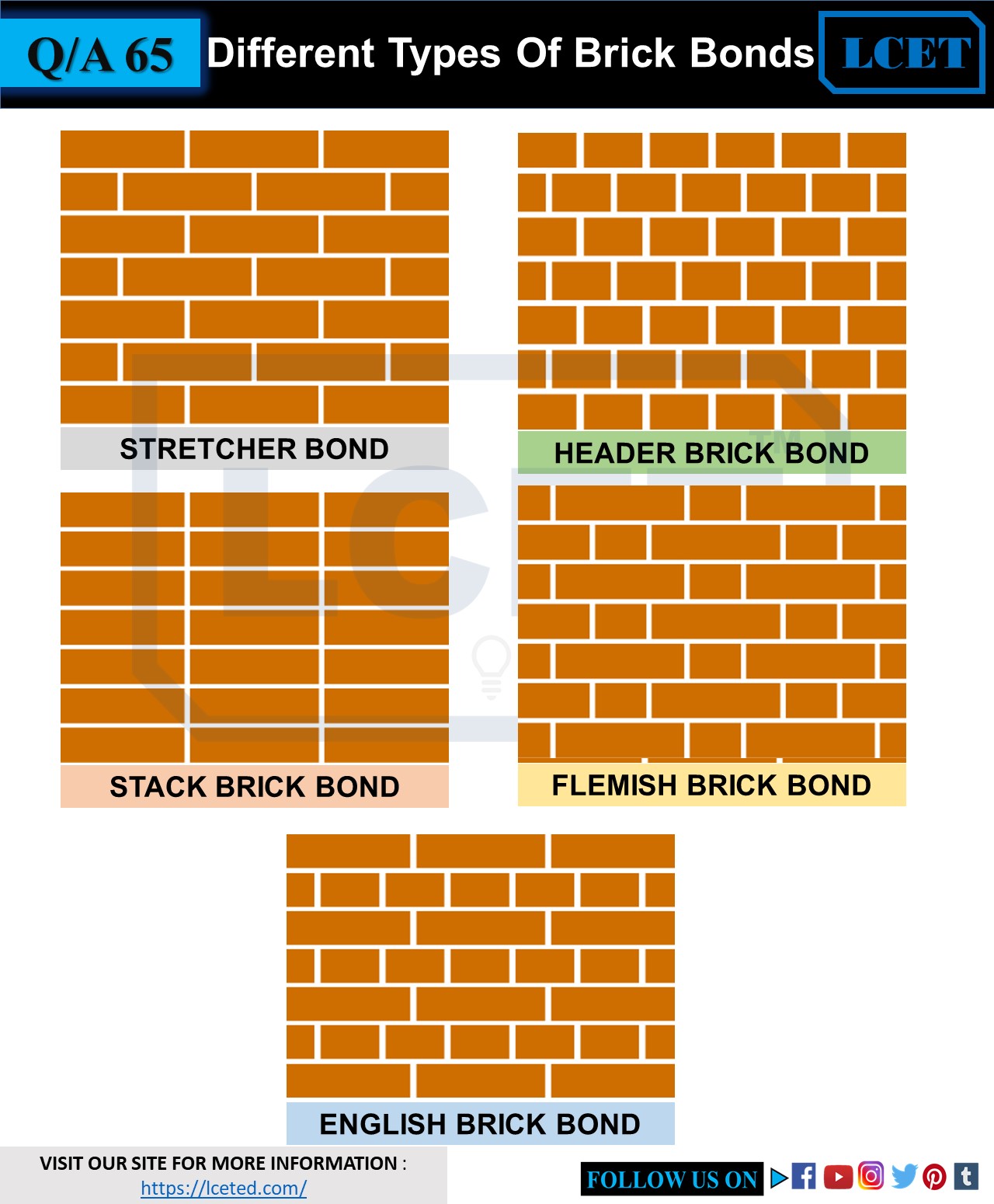
Types Of Bonds Used In Brick Masonry Wall Construction And Their Uses
/masonry-brick-bond-common-types-2736655-cf1ec5c2e3fe46ad83252d6dbb551a20.png)
Common Types of Brick Bonds Used in Masonry

Definition of English bond Brickwork, Brick patterns, Brick bonds
/GettyImages-165675151-574cf9523df78ccee10feffb.jpg)
Common Types of Brick Bonds Used in Masonry
The Most Used Bonding Pattern, It’s Referred To As “Running” Because The Bonding Agent Is Applied In Such A Way As To Create A Straight Line Between The Bricks And Other Materials.
Web The English Brick Bond, Also Known As The Running Bond, Is A Traditional Bricklaying Pattern Characterized By Its Simple Yet Classic Arrangement Of Bricks.
Web Brick Bonds Are Patterns Or Arrangements In Which Bricks Are Laid In A Wall Or Structure.
Although The Brick Bond’s Main Function Is Structural, It May Also Significantly Impact Your Home’s Exterior Look And Your Home’s Distinctive Style.
Related Post: