
Pattern Element Of Art
Pattern Element Of Art - Web the seven elements of art are line, shape, form, space, value, color and texture. Web the elements of art are the most basic visual building blocks that can be arranged to create a piece. There are two basic types of pattern in art: Part of art and design elements. Web patterns in contemporary art can add a strong element of interest to a painting, drawing or mixed media piece. From traditional patterns used in textiles and pottery, to abstract shapes used in contemporary works, pattern has long been an integral part of the artist’s toolbox. Patterns are all around us. This is the uniform repetition of an element of art or a combination of elements. Web below, we will look at how art patterns are created using art elements like color, shape, line, and so forth, providing examples from various artists throughout art history to illustrate how the types of pattern in art have been applied. Anything can be turned into a pattern through repetition. Some classic patterns are spirals, grids, and weaves. The elements of art are color, form, line, shape, space, and texture. Depending on the characteristics of the elements of a design, artists can exercise these principles in. Patterns can be regular or irregular. This is the uniform repetition of an element of art or a combination of elements. The principles of art are scale, proportion, unity, variety, rhythm, mass, shape, space, balance, volume, perspective, and depth. We will discuss each of these in more detail below. Pattern refers to the visual arrangement of elements in some kind of sequence or repetition. They help us understand how artists use visual components to create meaning, convey. They serve as visual structures that add depth and coherence to artistic compositions, guiding the viewer’s eye and evoking emotions or conveying messages. Web below, we will look at how art patterns are created using art elements like color, shape, line, and so forth, providing examples from various artists throughout art history to illustrate how the types of pattern in art have been applied. Artists can apply the seven elements of art in numerous different ways to create artworks that are visually appealing. They serve as visual structures that add depth and coherence to artistic compositions, guiding the viewer’s eye and evoking emotions or conveying messages. Web many artists use patterns to create the basic structure of the art piece using lines and shapes, and then use other visual elements like color, texture, and tone across the whole art piece. Anything can be. These elements are the essential components, or building blocks, of any artwork. Click here to learn how to draw patterns step by step ! Proportion is influenced by the overall composition and. Patterns are all around us. Web pattern and repetition. How to master principles of art quickly? Web a pattern is a design in which lines, shapes, forms or colours are repeated. Web a principle of art and the universe itself, a pattern is an element (or set of elements) that is repeated in a piece of work or an associated set of works. They help us understand how artists. Artists can apply the seven elements of art in numerous different ways to create artworks that are visually appealing and expressive. Web the elements of art are the most basic visual building blocks that can be arranged to create a piece. Patterns are made through repetition and by organizing a design in an orderly manner. Web there are typically seven. Web patterns in contemporary art can add a strong element of interest to a painting, drawing or mixed media piece. Pattern refers to the visual arrangement of elements in some kind of sequence or repetition. The part that is repeated is called a motif. This repetition in a composition can create various effects, for example, the idea of movement, texture,. Web the elements of art are the most basic visual building blocks that can be arranged to create a piece. Web there are typically seven primary elements of art namely; Web a principle of art and the universe itself, a pattern is an element (or set of elements) that is repeated in a piece of work or an associated set. How to master principles of art quickly? This is the uniform repetition of an element of art or a combination of elements. By understanding and using each element effectively, an artist can create compositions that have clarity and purpose. This occurs through the arrangement of shapes, lines, and forms in a way that allows the art elements to repeat. Part. Pattern refers to the visual arrangement of elements in some kind of sequence or repetition. Line, colour, texture, value, shape, form and space. Artists use patterns as decoration, as a technique of composition, or as an entire piece of artwork. Patterns can be regular or irregular. Web a pattern is a design in which lines, shapes, forms or colours are. Web the seven elements of art are line, shape, form, space, value, color and texture. Web every work of art & design contains at least one of these seven visual elements (line, shape, tone, form, texture, colour, and pattern), whether the artist put them there on purpose or not. Web pattern is the uniform repetition of any of the elements. The principles of art are scale, proportion, unity, variety, rhythm, mass, shape, space, balance, volume, perspective, and depth. Web there are typically seven primary elements of art namely; They help us understand how artists use visual components to create meaning, convey. These elements are the essential components, or building blocks, of any artwork. Sometimes, less is more, and. This occurs through the arrangement of shapes, lines, and forms in a way that allows the art elements to repeat. Artists can apply the seven elements of art in numerous different ways to create artworks that are visually appealing and expressive. Patterns are all around us. Some classic patterns are spirals, grids, and weaves. Web many artists use patterns to create the basic structure of the art piece using lines and shapes, and then use other visual elements like color, texture, and tone across the whole art piece. Web patterns in art are the rhythmic repetitions of shapes, colors, lines, or other elements within a piece of artwork. This is the uniform repetition of an element of art or a combination of elements. Patterns are art elements placed in repeated arrangements or sequences, whether these are from lines, colors, shapes, or others. Any good artwork should consist of these 7 ingredients. They serve as visual structures that add depth and coherence to artistic compositions, guiding the viewer’s eye and evoking emotions or conveying messages. This repetition in a composition can create various effects, for example, the idea of movement, texture, unity, or balance.
A strong, regular, repeated pattern of movement or sound Harmony art

The Elements of Art Line/Pattern Elements of art, Elements of art

Pattern /Repetition Principles Of Art Balance, Basic Design Principles

Acrylic Painting Geometric Symmetry 2 by Jason Galles in 2021
Colorful Trendy Geometric Flat Elements Of Pattern Pop Art Style

Elements Of Art Pattern Famous Artists in 2020 Elements of art

Visual Dictionary Elements of Art & Principles of Design atondre
/abstract-paper-flower-pattern-656688606-5acfba2eae9ab80038461ca0.jpg)
How Are Patterns Used in Art?
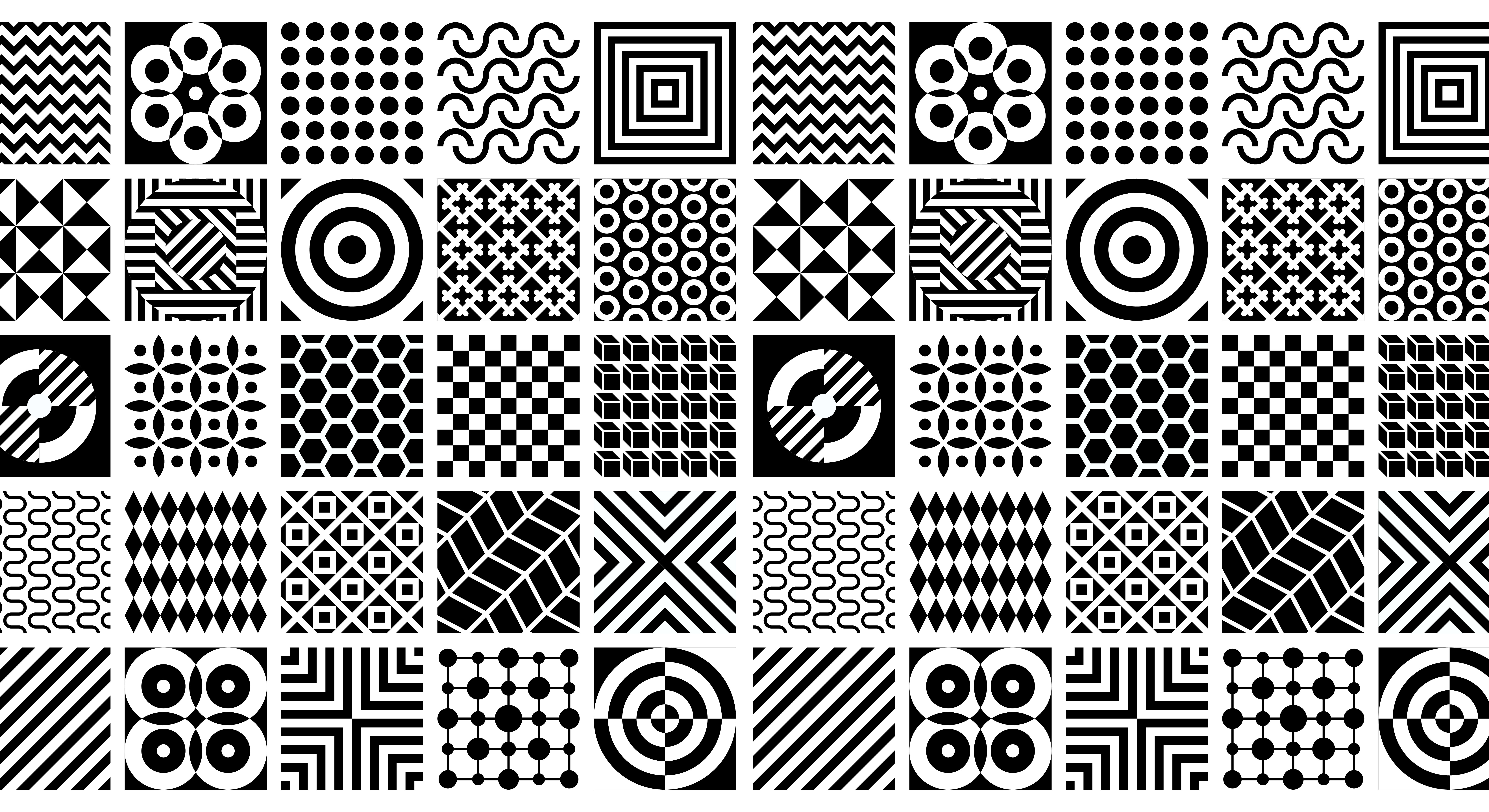
50 stunning geometric patterns in graphic design

Element of Art Line Principle of Art Pattern Explain Overlapping
Web The Elements Of Art Are The Building Blocks Of Any Artwork.
Artists Use Patterns As Decoration, As A Technique Of Composition, Or As An Entire Piece Of Artwork.
Web Patterns Are One Of The Seven Principles Of Art.
Web Patterns In Contemporary Art Can Add A Strong Element Of Interest To A Painting, Drawing Or Mixed Media Piece.
Related Post:
