
Scissoring Gait Pattern
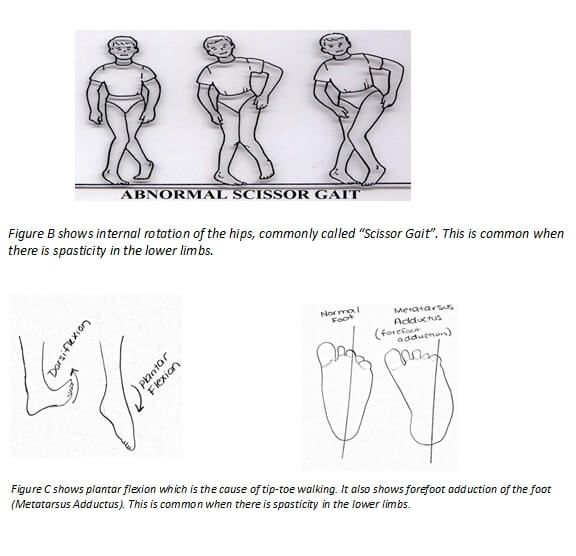
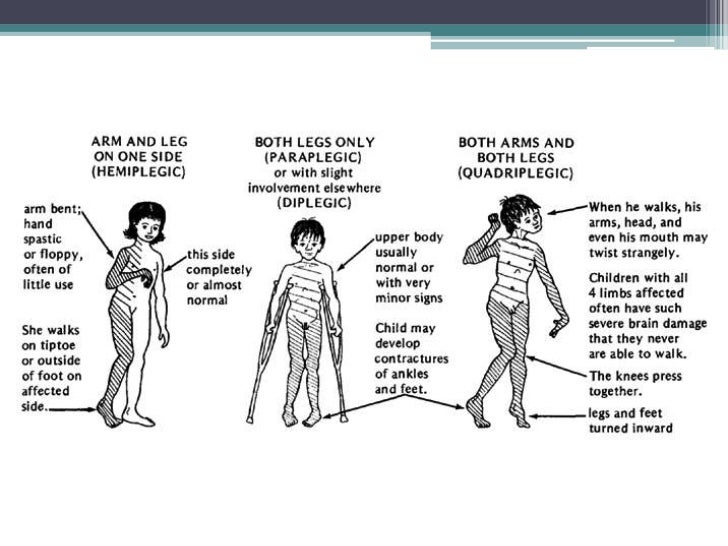
Scissoring Gait Pattern - The crisscross motion may resemble. Web common abnormal gait patterns in individuals with spastic diplegia include: Stroke, or complete transection of the spinal cord). Characterized by a shorter step length and stance time on the side of the painful lower extremity. A scissoring gait is often a more severe form of a spastic gait. Web scissor gait is a particular kind of aberrant gait that is characterized by the crossing of the legs while walking, much as how scissors cross each other. It may be accompanied by ipsilateral trunk lean with hip pain or. As a result of severe brain injury, some children with spastic cp also acquire secondary disorders. Web gait disorders in cerebral palsy are commonly caused by lower limb spasticity and are the primary reason for orthopaedic consultations in cp patients. Web the best way to assess gait patterns is with gait and motion analysis. The gait usually indicates underlying conditions, including cerebral palsy, muscle weakness, or spasticity. A scissoring gait is often a more severe form of a spastic gait. Web in this video, you will learn what this looks like, and how to start correcting this. Spasticity in the lower half of the legs results in plantarflexed ankles presenting in ‘tiptoe’ walking and often toe dragging. Severe spasticity in the legs can discourage individuals from participating in physical activity. In countries with adequate medical care, patients with cerebral palsy may have hip adductor release surgery to minimize scissoring. Diagnosis is made with quantitative evaluation using kinematic, kinetic and emg analysis. Scissoring is a less common walking problem that can happen after a stroke, brain injury, or any. Your steps may be slow and small. Web scissor gait is a form of gait abnormality primarily associated with spastic cerebral palsy. Another example is a scissoring gait in the absence of corticospinal tract signs (such as brisk reflexes and hip adductor spasticity). Scissor gait (walking with the knees turned inwards) tiptoeing (walking on the toes) crouch gait (walking with continuously bent knees, hips, and ankles) muscle weakness. Severe spasticity in the legs can discourage individuals from participating in physical activity. A. This type of gait usually affects people diagnosed with spastic cerebral palsy. The gait usually indicates underlying conditions, including cerebral palsy, muscle weakness, or spasticity. As a result of severe brain injury, some children with spastic cp also acquire secondary disorders. Web there is also characteristic extreme tightness of hip adductors which can cause legs to cross the midline referred. Web an example would be an antalgic gait in the absence of any pain or a buckling gait (knees giving way) in the presence of normal quadriceps strength. Web common abnormal gait patterns in individuals with spastic diplegia include: Stroke, or complete transection of the spinal cord). Web contractures of the adductor muscles can create a ‘scissor’ type gait with. A scissoring gait is often a more severe form of a spastic gait. This gait pattern is reminiscent of a marionette. Web this video is a demonstration and an explanation of a scissor gait pattern. This can commonly occur with spasticity in the hip adductors. Another example is a scissoring gait in the absence of corticospinal tract signs (such as. Severe spasticity in the legs can discourage individuals from participating in physical activity. A spastic gait causes you to walk with one stiff leg. Web scissor gait is a particular kind of aberrant gait that is characterized by the crossing of the legs while walking, much as how scissors cross each other. To help you understand what a scissoring gait. Scissor gait (walking with the knees turned inwards) tiptoeing (walking on the toes) crouch gait (walking with continuously bent knees, hips, and ankles) muscle weakness. This pattern is part of the natural history of gait disorder in children with more severe diplegia and in the majority of children with spastic quadriplegia. A scissoring gait is often a more severe form. Web spastic cp is characterized by jerky motions, muscular tightness, and joint stiffness. This posture is frequently brought on by spasticity or muscle weakness in the legs, especially the hip adductors and knee flexors. Web common abnormal gait patterns in individuals with spastic diplegia include: Web a diplegic gait (a.k.a scissoring gait) may be caused by a lesion in the. A scissoring gait is often a more severe form of a spastic gait. It may be accompanied by ipsilateral trunk lean with hip pain or. The crisscross motion may resemble. Characterized by a shorter step length and stance time on the side of the painful lower extremity. Your steps may be slow and small. Web scissor gait is a form of gait abnormality primarily associated with spastic cerebral palsy. A spastic gait causes you to walk with one stiff leg. This gait pattern is reminiscent of a marionette. With this type, a person’s legs cross and may hit each other while walking. Web scissor gait refers to a walking pattern where a child’s legs. A scissoring gait is often a more severe form of a spastic gait. This type of gait usually affects people diagnosed with spastic cerebral palsy. Stroke, or complete transection of the spinal cord). Severe spasticity in the legs can discourage individuals from participating in physical activity. Another example is a scissoring gait in the absence of corticospinal tract signs (such. With this type, a person’s legs cross and may hit each other while walking. Web if the muscle tone in the adductors is marked, the resulting gait disorder is referred to as scissor gait. A scissoring gait is often a more severe form of a spastic gait. Web scissor gait refers to a walking pattern where a child’s legs cross over each other as they walk. Web scissor gait is a particular kind of aberrant gait that is characterized by the crossing of the legs while walking, much as how scissors cross each other. This gait pattern is reminiscent of a marionette. Scissoring is a less common walking problem that can happen after a stroke, brain injury, or any. A person whose legs bend inward will often have a scissors gait. A spastic gait causes you to walk with one stiff leg. As a result of severe brain injury, some children with spastic cp also acquire secondary disorders. Diagnosis is made with quantitative evaluation using kinematic, kinetic and emg analysis. This posture is frequently brought on by spasticity or muscle weakness in the legs, especially the hip adductors and knee flexors. This video shows what would happen if there was no. Scissor gait (walking with the knees turned inwards) tiptoeing (walking on the toes) crouch gait (walking with continuously bent knees, hips, and ankles) muscle weakness. To help you understand what a scissoring gait is and how it can affect your child’s future, this article will discuss its primary cause, associated risks, and various management interventions. Severe spasticity in the legs can discourage individuals from participating in physical activity.
Scissoring Gait in Crouch Pattern Cerebral Palsy/Abnormal Gait
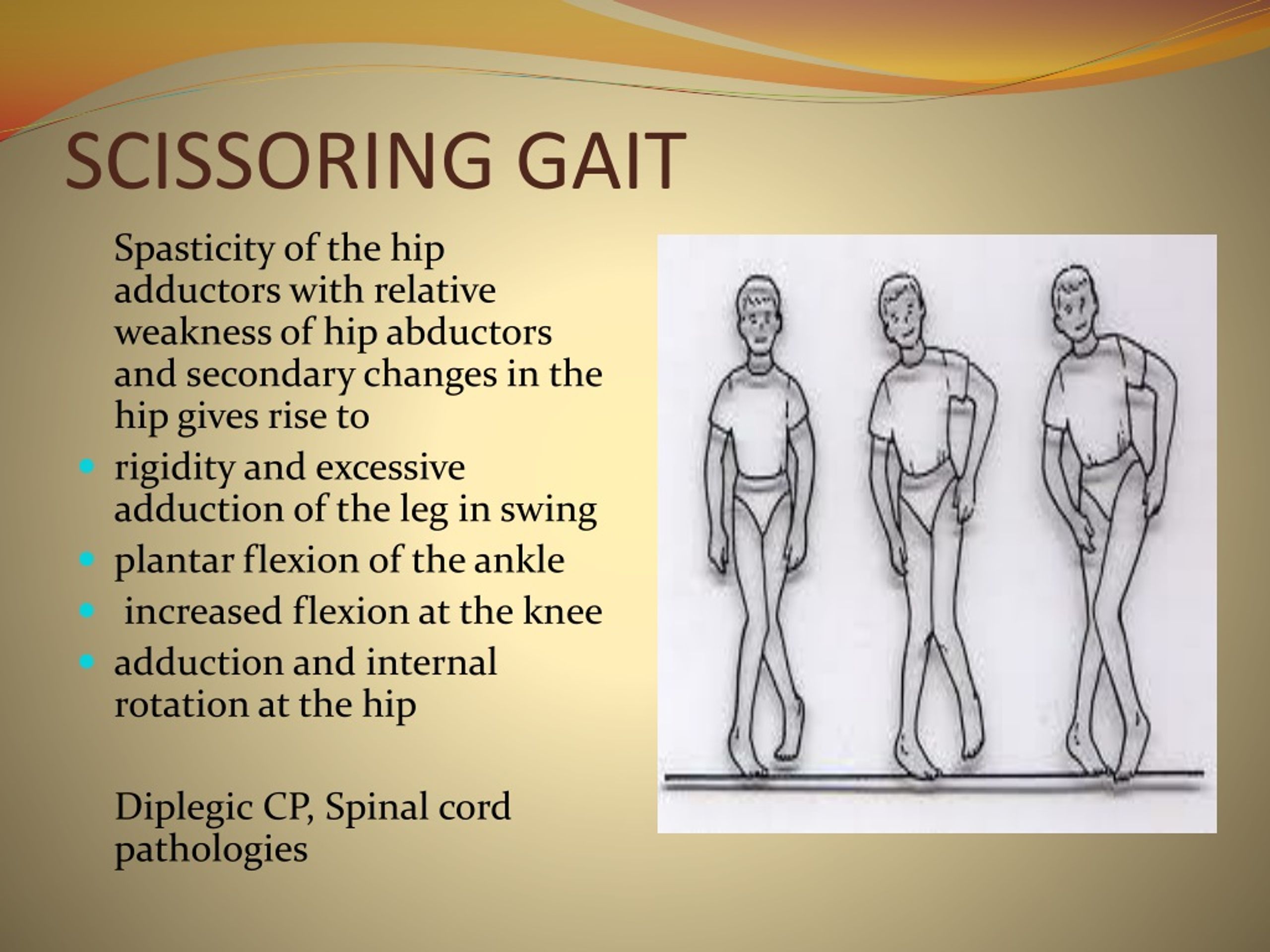
PPT GAIT NORMAL, ABNORMAL & ASSESSMENT PowerPoint Presentation ID
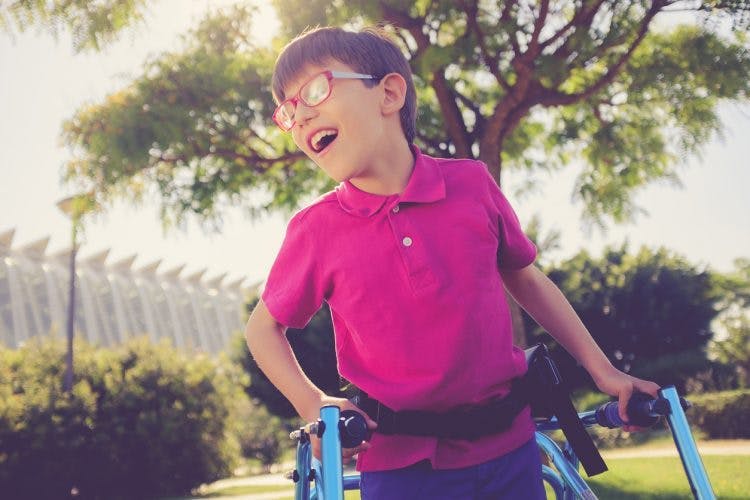
Scissoring Gait and Cerebral Palsy Causes, Risks, & Treatment

Gait normal & abnormal

Abnormalities of Gait and Posture. Spastic Hemiparesis Scissors
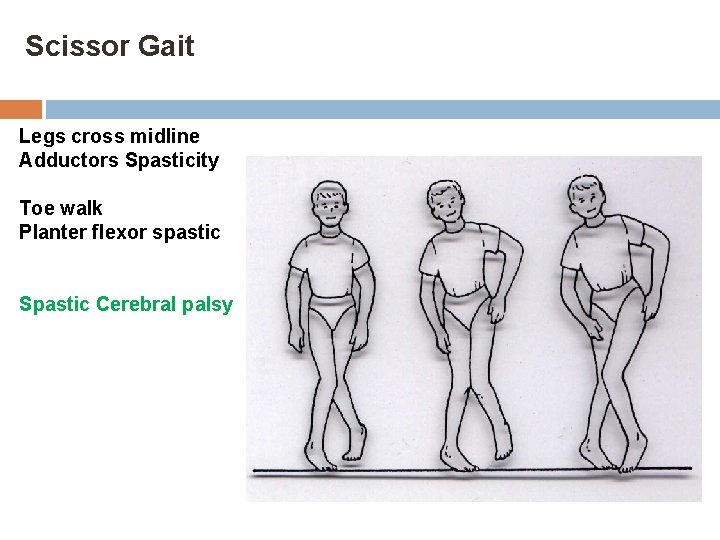
ABNORMAL GAIT Abnormal Gait Syndromes In general gait
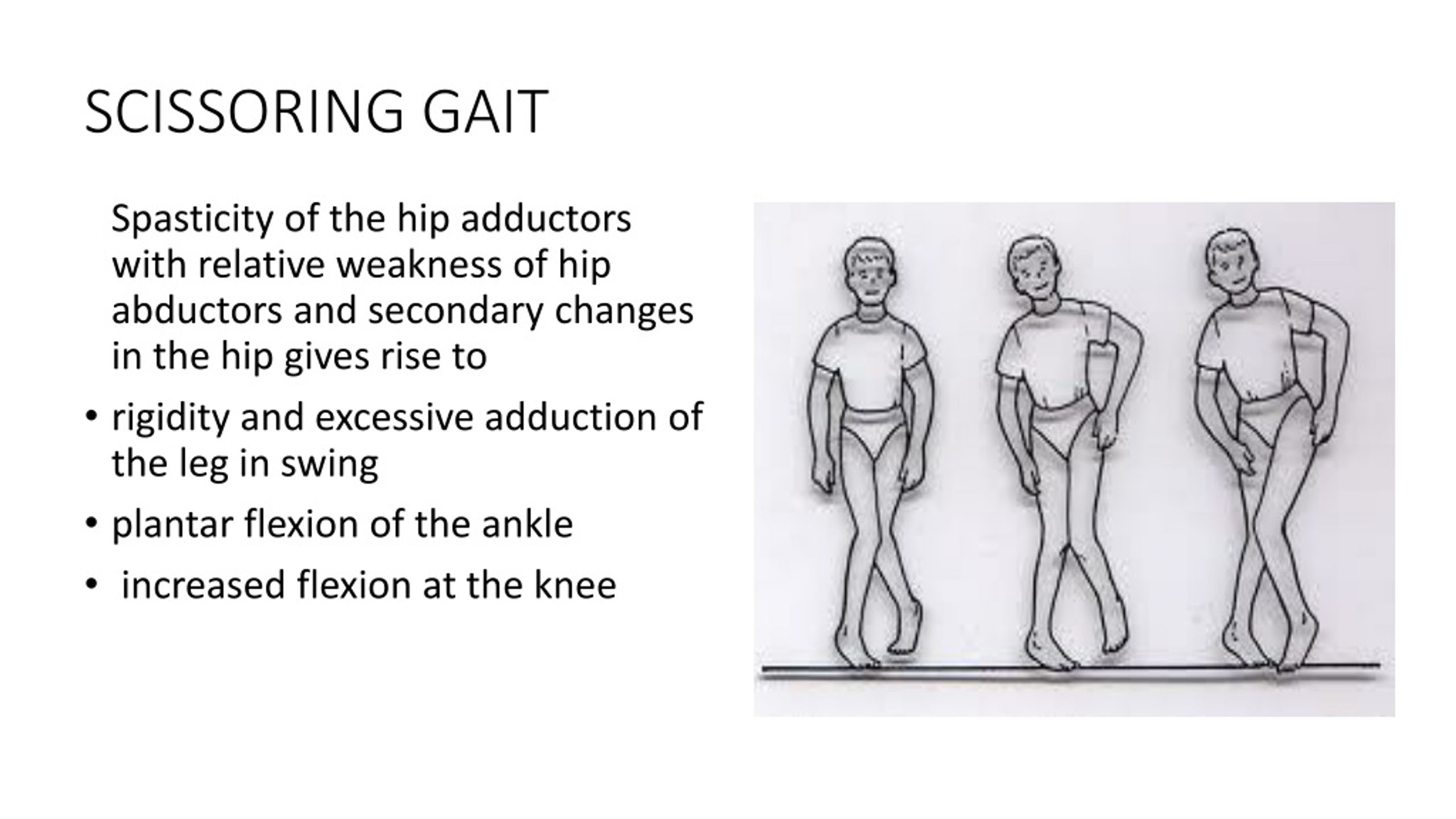
PPT CEREBRAL PALSY (CP) PowerPoint Presentation, free download ID
Scissoring Gait

Scissors Gait Techniques for Improved Mobility
Scissoring Gait
Web A Diplegic Gait (A.k.a Scissoring Gait) May Be Caused By A Lesion In The Central Nervous System (E.g.
Web Common Abnormal Gait Patterns In Individuals With Spastic Diplegia Include:
Web The Best Way To Assess Gait Patterns Is With Gait And Motion Analysis.
Web Scissor Gait Is A Form Of Gait Abnormality Primarily Associated With Spastic Cerebral Palsy.
Related Post: